WHICH NEUROTOXIN IS RIGHT FOR ME?
Comparing Neurotoxins: Botox, Dysport, Daxxify and Xeomin
Wrinkle relaxing botulinum toxin type A injections ‘neurotoxins’ are the most common non-invasive aesthetic procedure in the U.S. While they are commonly called “Botox,” there are actually four different FDA-approved neurotoxins: Botox, Dysport, Daxxify and Xeomin.
Just as brands like Band-Aid have become synonymous with adhesive bandages and Kleenex with tissues, “Botox” has been the go-to term for wrinkle relaxing neurotoxins. All four of these brands contain the same active ingredient (BoNT-A) and are FDA approved to treat the same aesthetic concerns.
So, how do you differentiate between the four? Double board-certified dermatologist Dr. Zeena Al-Dujaili of New Orleans Aesthetics explains.
How Botulinum Toxin Type A Injections Work
Before we breakdown the differences between Botox, Dysport, Daxxify, and Xeomin, it’s important to understand what they are and how they work.
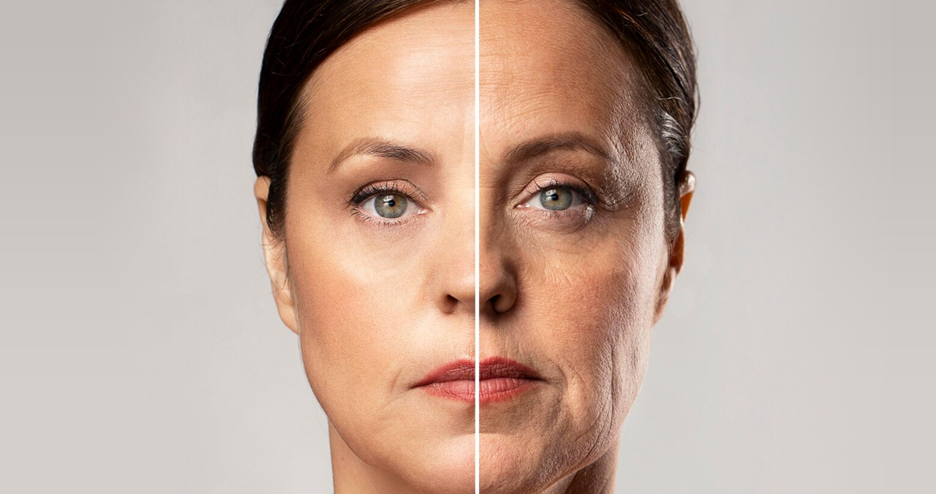
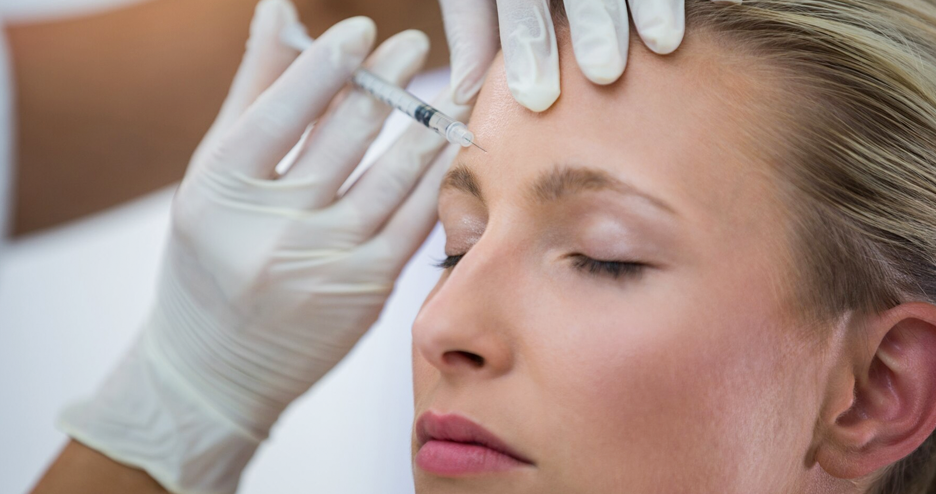
Botulinum toxin type A (BoNT) is the primary active ingredient in each of the three products. In cosmetic dermatology, botulinum toxin is used to reduce the appearance of fine lines and wrinkles caused by facial expressions (think: frowning, squinting, smiling, and the like) by injecting it into the muscles underlying the affected area. In turn, the lack of muscle contraction prevents the face from forming lines and wrinkles.
The result? Smoother skin for three to four months (or until it wears off).
Comparing BoNT-A Injections
Now that you know what Botox, Dysport, Jeuveau, and Xeomin have in common, it’s time to understand what makes them different — no matter how subtle the distinctions might be.
First and foremost, the four neurotoxins are made by different manufacturers, which leads to different costs, potencies, and formulations. While the active ingredient in each product is botulinum toxin type A, some also feature protein blends that may affect the diffusion and efficacy of the injection. Such subtleties are why it is important to find a provider who is well versed in the market.
If you’re one of the 7.5 million Americans who received a wrinkle-relaxing injection each year or are looking to join the ranks, here’s everything you need to know about the four FDA-approved BoNT injectables on the market.
Botox
- FDA Approval: Botox was first approved by the FDA as a temporary aesthetic treatment to improve the appearance of frown lines between the eyebrows in April 2002. It has since been cleared to treat forehead lines and crow’s feet, too (in addition to all its “off label” uses). Botox was the first product of it’s kind.
- The Background: Botox, or onabotulinumtoxinA, is a product of Irish drugmaker Allergan, and it currently holds an estimated 80 percent of the BoNT-A injection market. With a molecular weight of 900 kDa, Allergan formulates botulinum toxin type A with protective proteins that a subset of patients may develop an antibody against over time, lessening the effectiveness of the treatment. The inactive ingredients in Botox® include human albumin (i.e. plasma proteins) and sodium chloride. There is also a therapeutic version of product that can be used to treat medical conditions like migraines, excessive sweating, and eye spasms (to name a few.
- The Results: Botox is effective but not permanent. It takes about three to five days post-treatment for the results to appear (though it can take up to two weeks for the final effect to be visible), and it lasts about three to four months in most patients. The longevity depends on everything from the way a patient’s body metabolizes the product to the area being treated.
Dysport
- FDA Approval: Dysport was first approved to treat frown lines in April 2009, and, like Botox, also has therapeutic uses to calm muscle spasticity.
- The Background: A product of Medicis Pharmaceutical, Dysport (a.k.a. abobotulinumtoxinA) is slightly less potent than Botox® due to its molecular weight. While both have the same 150 kDa of BoNT-A at their core, the weight of the protective proteins in Dysport® are not uniform like those in Botox. As a result, Dysport has a higher rate of diffusion, which makes it ideal for treating larger areas (think: foreheads) — though more product may be needed to achieve results. Nonetheless, the cost is generally comparable to Botox. Like Botox, it is formulated with human albumin, and Dysport also contains lactose and cow’s milk protein — making it unsuitable for patients with milk allergies.
- The Results: While the effects of Dysport may show up sooner (within 24 hours) than Botox, some studies have shown that they may not last as long. The shorter lifespan could make it a good choice for patients who are unsure about whether they will like the results of BoNT-A injections.
Xeomin
- FDA Approval: Xeomin was first approved by the FDA in 2010 for treating blepharospasm, or involuntary blinking, and cervical dystonia, an involuntary contraction of neck muscles. In 2015 it was approved for treating upper limb spasticity, and in 2018 it was approved for treating chronic sialorrhea.
- The Background: Xeomin® is made through a unique precision manufacturing process that isolates the therapeutic component of the molecule and removes the complexing/unnecessary proteins that don’t play an active role in treatment. Xeomin® is a uniquely purified neurotoxin. Studies have not been performed to determine whether the presence or absence of complexing/unnecessary proteins has a long-term effect on safety or efficacy.
- The Results: Most patients begin to see their results in about four days, which is just slightly longer than with Botox, which offers signs of improvement within 72 hours. Both injectables last anywhere from three to six months, and you can opt to schedule another treatment when the first one wears off.
Daxxify
- FDA Approval: Daxxify was approved by the FDA in September 2022 as a long-lasting treatment to temporarily improve the appearance of frown lines between the eyebrows. It is the first and only neurotoxin approved with a claimed duration of up to six months after a single treatment, making it notable for patients seeking longer-lasting results.
- The Background: Daxxify, or daxibotulinumtoxinA-lanm, is developed by Revance Therapeutics. Unlike traditional botulinum toxins, Daxxify uses a proprietary peptide-based stabilizing formulation rather than human serum albumin. This unique formulation helps maintain its stability and potency without the need for refrigeration before reconstitution. Daxxify is used exclusively for aesthetic purposes and is currently focused on treating glabellar lines.
- The Results: Daxxify is designed to last longer than other neurotoxins, with many patients seeing visible results for up to six months. Results typically appear within three to seven days after treatment, with the full effect usually visible by two weeks. Longevity may vary depending on individual metabolism, injection technique, and the area treated. Patients often appreciate fewer visits for maintenance compared with traditional botulinum toxins.
The Takeaway
As you can see, each of the four neurotoxins have similar safety and efficacy profiles, but subtle differences do exist that may make one a better option for your particular needs. If you’re interested in neurotoxins to smooth wrinkles and fine lines, schedule a consultation us today!